How much does a new roof cost in Rockport, MA?
Most asphalt replacements on North Shore homes cost about $14,000 to $28,000. Standing seam metal on an exposed coastal home often runs $38,000 to $75,000 or more. Cedar falls in between, and slate and copper are premium choices. Prices here are higher than inland because of steep pitches, complicated historic rooflines, rotted board sheathing, tight staging on streets like Bearskin Neck, and corrosion-resistant materials. We give you a written, line-item proposal after inspecting your roof and attic, and financing is available for qualifying projects.
How long does a roof replacement take?
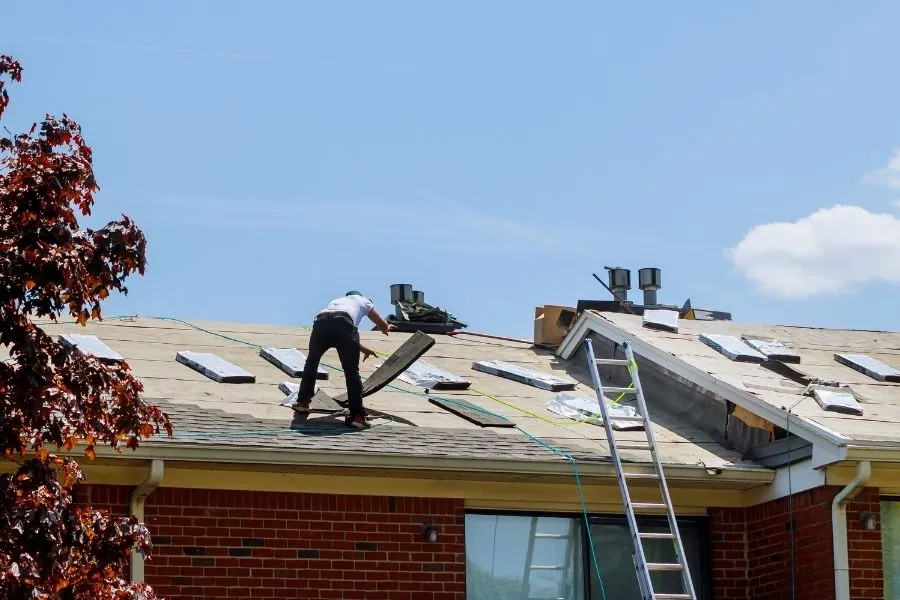
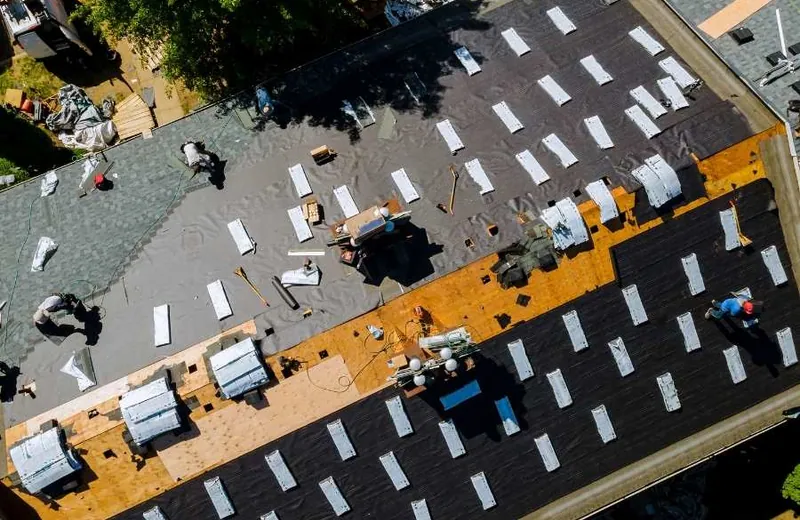
The work itself usually takes 2–5 days for an asphalt replacement on a typical home. Slate, cedar, and standing seam metal take longer, sometimes a couple of weeks on large or complicated houses. Before work starts, allow time for the permit, and if your home is in a historic district such as downtown Rockport or Marblehead's Old Town, commission review can add several weeks. Weather matters too. The best season runs from about April to November, though we do winter replacements with hand-sealed shingles when a roof can't wait.
Do I need a permit or historic approval to replace my roof?
Yes, you need a building permit. Massachusetts requires one for re-roofing under the State Building Code (780 CMR), and code generally limits roofs to two layers. If your home is in Rockport's historic district, on Bearskin Neck, or in historic areas of Salem, Marblehead, Newburyport, Ipswich, or Gloucester, changing the roofing material or how it looks may need commission approval. Condo associations in Beverly, Danvers, and Salem may have their own rules too. We'll help you sort out which approvals apply to your home before the work is scheduled.
How can I prevent ice dams on my older home?
Ice dams start with heat escaping into the attic, so the long-term fix is better attic insulation and air sealing, along with balanced soffit and ridge ventilation. When the roof is replaced, ice-and-water shield at the eaves (required by code) keeps backed-up water out of the house. Heat cable helps on chronic problem spots like north-facing eaves and valleys. Raking snow off the lower few feet of the roof after heavy coastal storms also helps. If ice has already formed, don't chip at it. Steam removal is safer for your shingles.
When should I call a roofer instead of waiting?
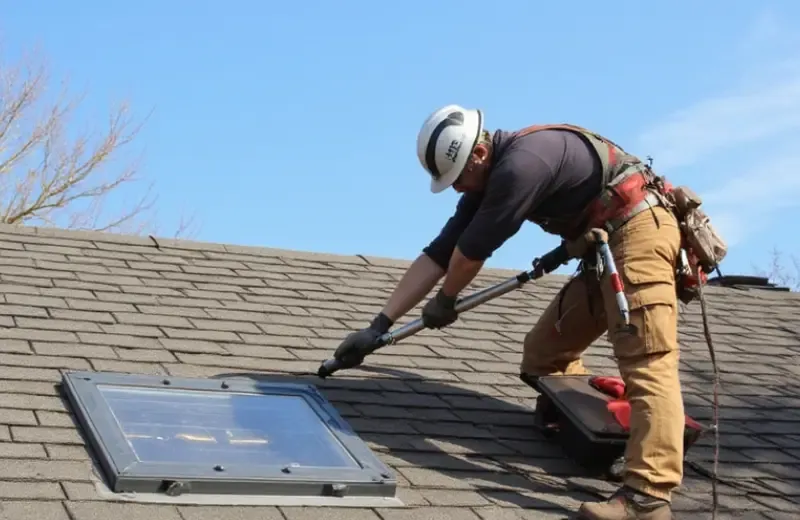
Call right away if you see water coming through a ceiling, shingles or ridge caps missing after a nor'easter, exposed underlayment, a tree limb on the roof, or ice dams with water stains spreading inside. Waiting even a few days in Rockport's wind and rain can turn a small repair into rotted decking and ruined plaster. Book a regular inspection if you notice curling shingles, rusty drip edge, stains near the chimney, moss growth, or a roof older than about 20 years. Seasonal owners should get a check after every major storm.
Is standing seam metal better than asphalt for a house near the ocean?
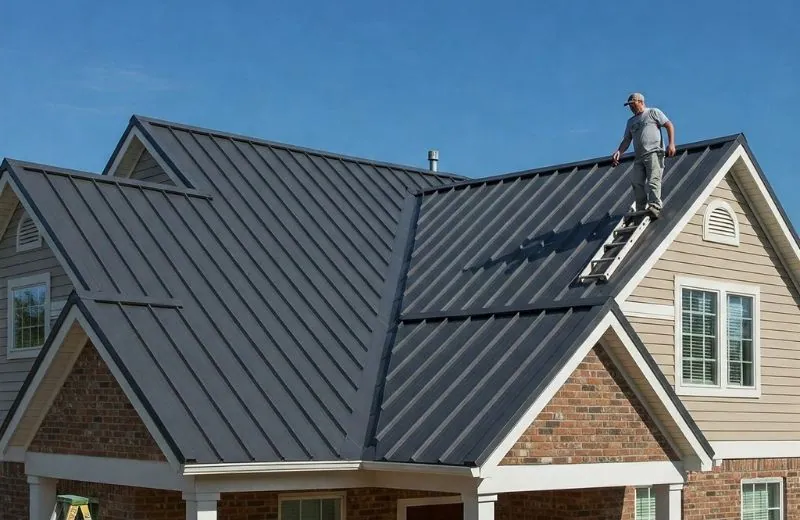
Often it is, especially on very exposed lots in places like Pigeon Cove, Land's End, or Eastern Point. Standing seam metal has concealed fasteners, sheds heavy snow, and resists wind uplift better than shingles. It also lasts much longer when it's made with coastal-grade coatings and stainless fasteners. Asphalt costs less up front and works well with wind-rated installation and stainless nails. On historic homes, cedar or slate may be the better fit, or the only material the commission approves. We'll walk you through the trade-offs for your house.
Can you manage my roof repair while I'm away for the season?
Yes. Many of our clients are seasonal or absentee owners. We can schedule an inspection, make storm-damage or ice dam repairs, and handle a full replacement without you being on site. You'll get photo updates throughout, including the damage we find, deck conditions after tear-off, the flashing details, and the finished roof. Short-term rental owners count on this to keep bookings protected. Just let us know how you'd like to arrange access and the best way to reach you.
Will you file or help with my insurance claim after storm damage?
We can't file the claim for you, but we document storm damage thoroughly with dated photos of missing shingles, lifted tabs, damaged flashing, and interior water entry, plus a written description of the repairs needed. That documentation helps your adjuster understand what happened. Many coastal insurers now look closely at roof condition and installation quality, so having a record of wind-rated fastening and corrosion-resistant flashing can also help with future policy renewals. If water is getting in, we'll tarp first so the damage doesn't get worse.